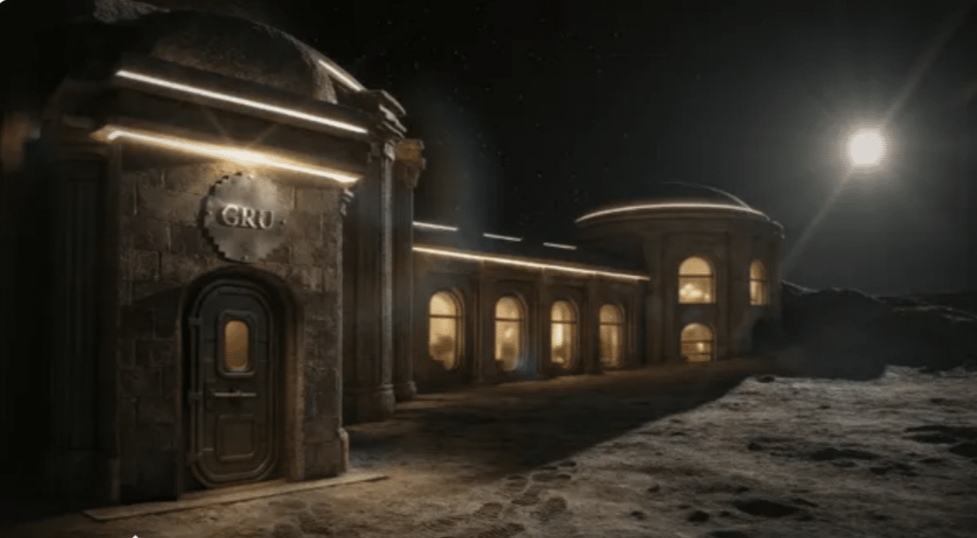
A private space venture has begun accepting $1 million reservations for future hotel rooms on the Moon, signaling a major step toward luxury space tourism and long-term human presence beyond Earth.
According to Space.com, the company is inviting early investors and prospective guests to reserve a place in what it says could become the world’s first lunar hotel.
While construction and operational timelines remain years away, the reservations are intended to fund development and demonstrate market demand for commercial habitation on the Moon.
The project is led by Skyler Chan, a Berkeley graduate and space entrepreneur, who says the initiative reflects a pivotal moment in human history.
In a statement, Chan said humanity is approaching an era in which becoming an interplanetary species is no longer a distant concept but a realistic goal within a single lifetime.
The proposed lunar hotel would rely on emerging technologies in spacecraft transportation, pressurized habitats, and closed-loop life-support systems.
Developers say these systems are essential not only for hosting tourists but also for enabling longer stays that could support scientific research and future settlement efforts.
Chan described the project as the culmination of a lifelong passion for space exploration, noting that private companies are increasingly driving progress once led almost exclusively by government space agencies.
The venture aligns with broader industry trends, including reusable rockets, commercial space stations, and private lunar missions.
Industry analysts note that if successful, a lunar hotel could serve purposes beyond tourism, potentially supporting research initiatives, resource extraction, and international collaboration on the Moon.
The reservation fee, while steep, is being framed as both a financial commitment and a vote of confidence in the future of off-world living.
Though significant technical, regulatory, and financial challenges remain, the company’s announcement highlights growing momentum in commercial space development.
If realized, the project could redefine travel, turning the Moon from a distant symbol in the night sky into a destination for human habitation.