Written by:
Modupe Esther Ikeun
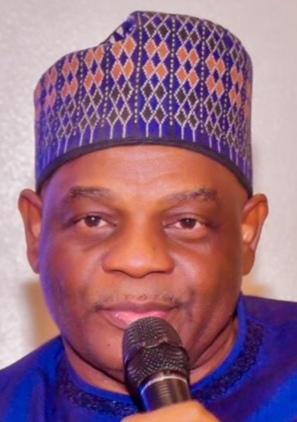
Arc. Sonny T. Echono delivered a compelling address at the 2025 Nigeria Education Forum held from 9th to 10th December at the Abuja Continental Hotel, an event organised by the Nigeria Governors’ Forum to shape fresh thinking on the future of education financing. Speaking to a diverse audience of policymakers, academics, innovators, and development partners, Echono reaffirmed his long-standing commitment to building a resilient and globally competitive education system in Nigeria.

In his remarks, he emphasised that sustainable development in the education sector requires not only funding but also a strategic re-engineering of relationships between communities, industries, and academic institutions. He argued that Nigeria can only unlock transformative progress when the town and gown work collaboratively to align knowledge production with national development priorities. According to him, this synergy is essential for producing graduates who can solve local problems, stimulate innovation, and expand the country’s economic prospects.
Echono highlighted the need for transparent, accountable, and innovation-driven education financing models that support infrastructure renewal, teacher capacity enhancement, and research productivity across all levels of learning. He praised the Nigeria Governors’ Forum for providing a platform where state leaders and critical stakeholders could collectively interrogate policy gaps and co-create practical solutions. He noted that such engagements demonstrate a growing political will to reposition education as the cornerstone of sustainable development.
He also reaffirmed his belief that partnerships remain central to delivering quality education, stressing that government alone cannot bear the financial burden of meeting the demands of a rapidly evolving knowledge economy. He encouraged states to deepen collaborations with the private sector, civil society, and international development organisations, noting that shared responsibility will accelerate reforms and expand access to educational opportunities.
Participants at the forum commended Echono for his clarity of vision and his consistent advocacy for reforms that strengthen educational governance, improve the efficiency of public expenditure, and promote research-driven policy decisions. Many described his address as one of the most inspiring contributions at the event, reinforcing his reputation as a leading voice in Nigeria’s education sector.
His intervention at the 2025 Nigeria Education Forum further solidified his standing as a forward-looking reform champion whose ideas continue to shape national conversations on sustainable development, human capital growth, and the future of education in Nigeria.