This briefing note draws the attention of the Federal Executive Council to the fiscal management implications arising from the continued implementation of the 2024 budget into 2025, the delayed implementation of the 2025 budget despite its passage, and the passage of the 2026 budget in December 2025, which creates the risk of overlapping budget authorisations in 2026
The purpose is to support informed decision-making and promote orderly budget transitions consistent with the Medium-Term Expenditure Framework.
The MTEF is intended to provide a stable three-year fiscal framework that links government policy objectives to realistic macroeconomic assumptions and annual budget allocations.
Its effectiveness depends on timely commencement and orderly closure of annual budgets. Prolonged reliance on earlier budgets or delayed activation of newly passed budgets weakens this linkage and reduces the credibility of fiscal planning.
From an economic management perspective, extended budget overlap creates policy misalignment. Budgets prepared under earlier macroeconomic conditions, particularly assumptions on inflation, exchange rates, energy prices, and debt servicing costs, become less effective when implemented far beyond their intended period.
This can lead to unplanned adjustments, reduced policy impact, and weaker control over public expenditure.
Capital expenditure is particularly affected by delayed and overlapping budgets. Projects approved under earlier cost assumptions face rising input prices and financing constraints, resulting in slow execution, contract variations, and extended completion timelines.
These delays reduce the developmental impact of public spending and weaken the intended growth and employment benefits of capital investments.
Overlapping budget implementation also complicates fiscal monitoring and debt management. When residual commitments from earlier budgets run alongside new appropriations, it becomes more difficult to clearly assess the fiscal position, manage deficits, and align borrowing with medium-term fiscal targets. This may increase reliance on short-term financing and reduce fiscal flexibility.
Predictability in budget implementation is also important for private sector confidence. Government contractors, suppliers, and investors rely on timely budget releases and clear expenditure priorities.
Prolonged uncertainty can delay payments, affect liquidity in the private sector, and discourage investment, with wider implications for economic activity.
In line with MTEF best practices, it is advisable for government to prioritise the timely commencement of each fiscal year’s budget, ensure clear closure or ring-fencing of prior-year commitments, and align all annual appropriations strictly with updated macro-fiscal assumptions and approved expenditure ceilings.
Transitional spending, where unavoidable, should remain limited in scope and duration and be clearly disclosed.
In addition, to prevent the practical and economic challenges associated with operating multiple budgets concurrently in 2026, the Executive and the Legislature may consider a structured merger of the 2025 and 2026 Appropriation Acts.
Under this approach, the unimplemented provisions of the 2025 budget would be reviewed, updated, and integrated into the 2026 appropriation framework, allowing expenditure priorities to be rationalised, duplication eliminated, and cost assumptions aligned with current macroeconomic realities.
A consolidated budget framework would provide a single, clear basis for implementation, monitoring, and accountability in the next fiscal year, while preserving the policy intent already approved by the Legislature.
In conclusion, orderly budget transitions are essential for effective fiscal management, economic stability, and development outcomes. Strengthening coordination around budget implementation, including consideration of a consolidated appropriation framework where necessary, will enhance the credibility of the MTEF, improve expenditure efficiency, and support the Federal Government’s broader economic and development objectives.
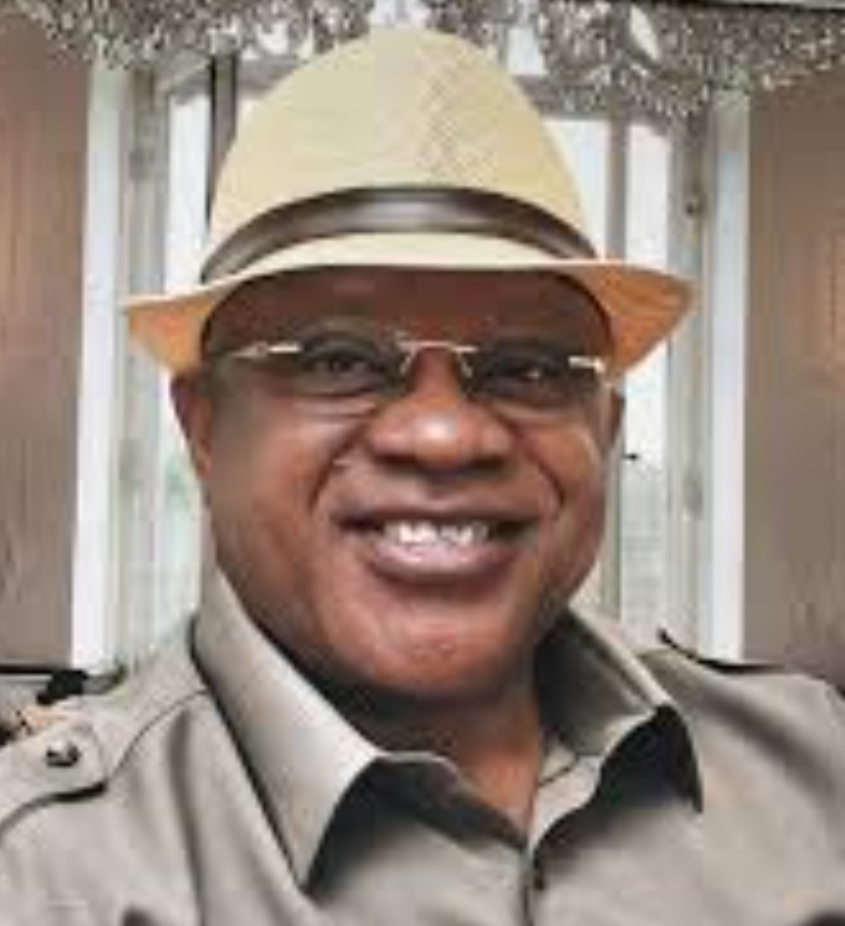
Rt. Hon Johnson Egwakhide Oghuma
Politician, Economist and Public Commentator


